
Why you don’t need to hit every macro perfectly.
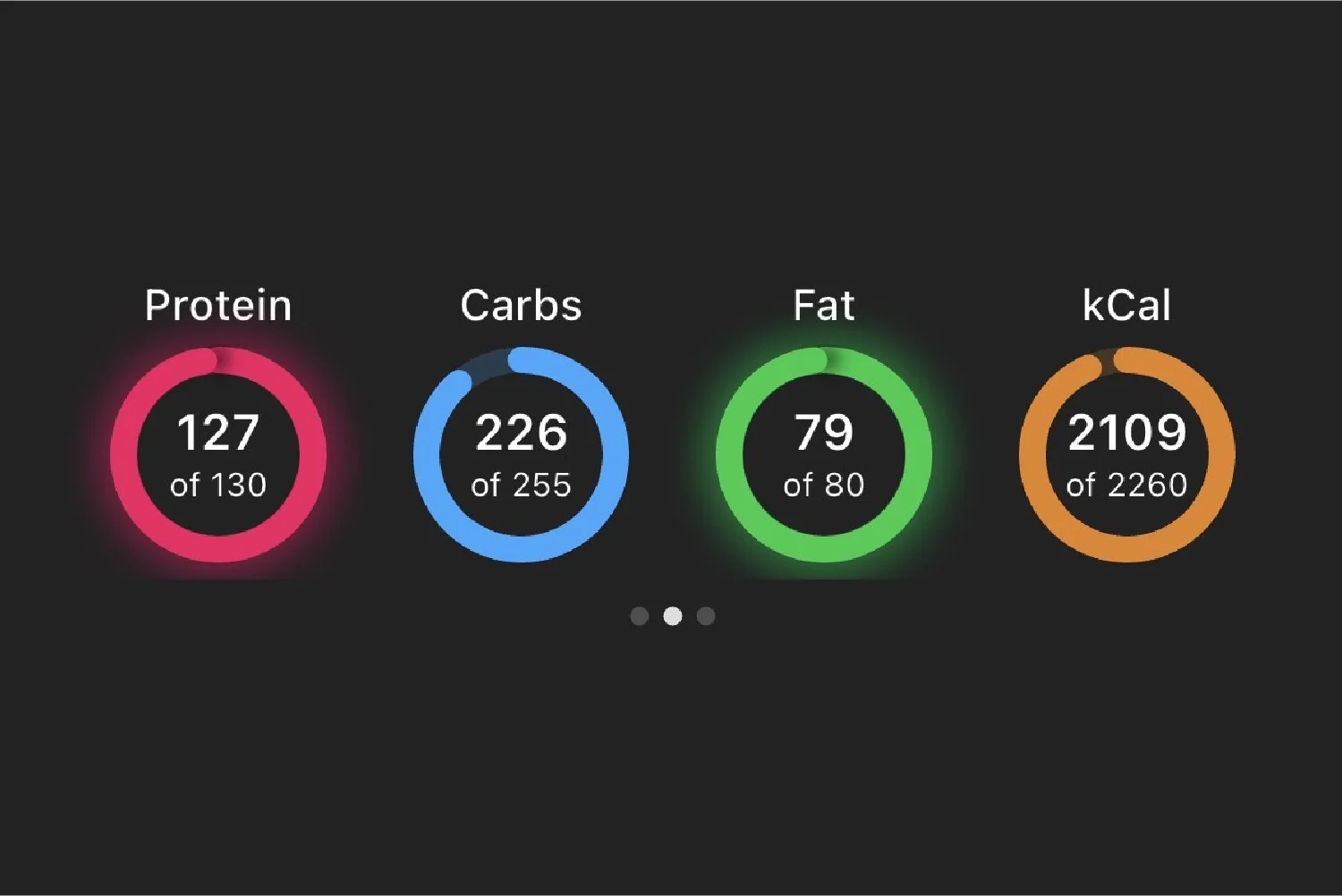
Many people feel stressed about hitting their macronutrient targets perfectly, especially when it comes to carbs and fats.
But nutrition doesn’t need to be that rigid.
In reality, the two biggest factors influencing body composition are overall calorie intake and protein consumption.
How calories and macros affect your body composition
A calorie deficit (burning more than you consume) leads to weight loss.
A calorie surplus (consuming more than you burn) leads to weight gain.
Protein intake influences what kind of tissue you gain or lose:
In a deficit with low protein, you risk losing lean muscle.
In a deficit with high protein, research shows you’re more likely to preserve lean muscle while losing fat.
In a surplus with high protein, you support muscle growth while minimizing fat gain.
What about carbs and fats?
Carbs and fats both provide energy, and your ratio can be flexible based on personal preference, performance, and lifestyle. For example, some people feel stronger in training with higher carbs, while others do better with a slightly higher fat intake.
That said, fats are essential and should not be neglected. Dietary fat supports:
Hormone production (including testosterone and estrogen)
Brain health and cognitive function
Absorption of fat-soluble vitamins (A, D, E, K)
I generally recommend keeping fats at a healthy baseline. Personally, I aim for around 50 grams per day. Some days, my fats are higher and carbs are lower; and vice versa. Both approaches can work, as long as overall calories and protein are in place.
Use flexible ranges instead of strict targets
If exact targets stress you out, ranges are a practical solution. For example, instead of aiming for exactly 160 grams of carbs, set a range like 140–160 grams. This keeps you consistent without the pressure of perfection.
How much protein should you eat?
Protein plays a major role in muscle repair, recovery, and body composition. A science-backed recommendation for people focused on building or maintaining muscle is:
0.7–1 gram of protein per pound of body weight per day.
For example:
A 130 lb person → around 90–130g protein/day
A 160 lb person → around 110–160g protein/day
This range gives flexibility depending on your goals, activity level, and lifestyle. Someone actively trying to build muscle or preserve lean tissue during a calorie deficit may benefit from staying toward the higher end of the range.
Protein intake doesn’t need to be perfect every single day. Consistency over time matters far more than hitting an exact number daily.
The Bottom Line
Calories determine whether you gain or lose weight. Protein helps influence whether the weight you gain or lose comes from lean muscle or body fat. Carbs and fats provide flexibility but make sure you’re eating enough healthy fats to support essential functions.
Keep it simple. Consistency over time matters far more than hitting exact numbers every single day.
